
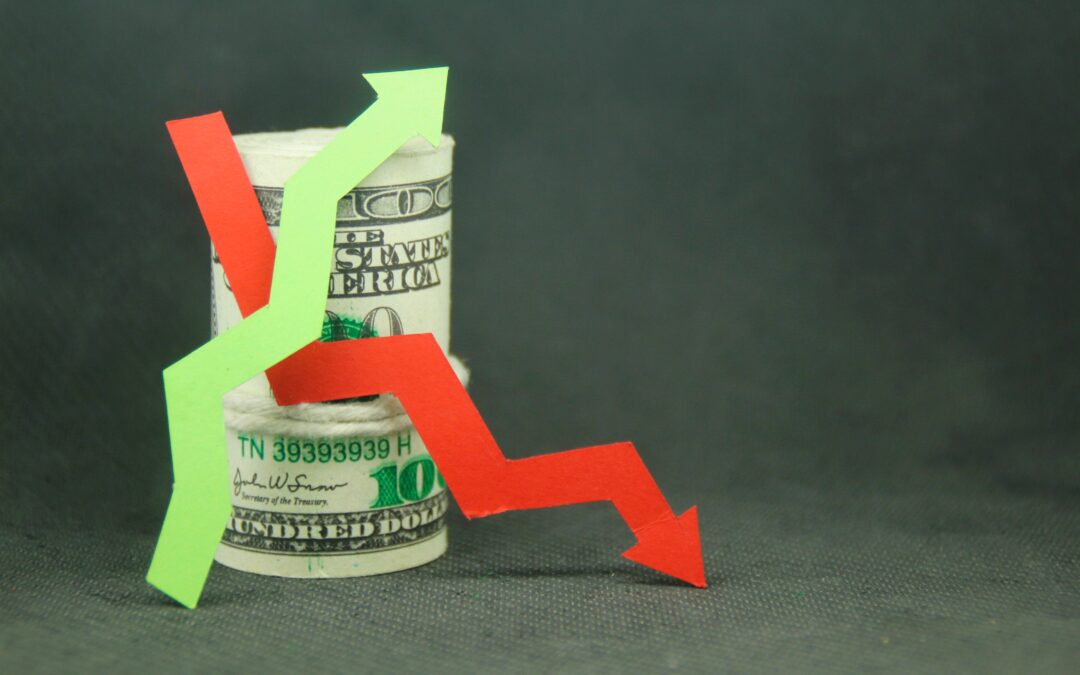
Your business is profitable. Sales are strong. Your income statement shows you’re making money.
So why does it sometimes feel like there isn’t enough cash in the bank?
This is one of the most important financial concepts for business owners to understand: profit and cash flow are not the same thing. A business can look successful on paper and still struggle to cover payroll, pay vendors, make tax payments, or handle an unexpected expense.
Understanding profit vs. cash flow can help you get a clearer picture of your company’s financial health and make better decisions about spending, growth, and planning for the future.
What Is Profit?
Profit is what remains after you subtract your business expenses from your revenue over a specific period.
In simple terms:
Revenue − Expenses = Profit
If your business generates $100,000 in revenue and has $80,000 in expenses, you’ve earned a $20,000 profit.
Profit is an important measure of business performance. It helps you understand whether your company is earning more than it spends and whether your business model is financially sustainable.
But profit doesn’t necessarily tell you how much money you have available right now.
What Is Cash Flow?
Cash flow tracks the actual movement of money into and out of your business.
Money comes in when customers pay invoices, products or services are purchased, financing is received, or other cash enters the business. Money goes out when you pay employees, vendors, rent, utilities, taxes, loan payments, equipment expenses, and other obligations.
Positive cash flow means more cash is coming into the business than going out during a particular period. Negative cash flow means more is leaving than coming in.
The timing of those transactions is what makes cash flow management so important.
Your books might show that you’ve earned revenue, but that doesn’t necessarily mean the money is sitting in your bank account.
How Can a Profitable Business Run Out of Cash?
Imagine your business completes $50,000 worth of work this month. On paper, that revenue contributes to a profitable month.
But what if your customers have 30, 60, or even 90 days to pay their invoices?
In the meantime, you still have payroll, rent, insurance, supplies, loan payments, taxes, and other bills to cover.
You made the sales. You earned the revenue. Your business may even show a profit.
But the cash hasn’t arrived yet.
This gap between earning money and actually receiving it is one of the reasons a profitable business can experience serious cash flow problems.
Common Reasons Profitable Businesses Experience Cash Flow Problems
Late customer payments are only one potential cause. Several situations can leave an otherwise healthy business short on available cash.
1. Growing Too Quickly
Growth sounds like the opposite of a financial problem, but rapid growth often requires significant cash.
You may need to hire more employees, purchase equipment, increase inventory, move into a larger space, or invest in marketing before the additional revenue from that growth reaches your bank account.
The faster you grow, the more important it becomes to understand how much working capital you’ll need to support that expansion.
2. Customers Are Taking Too Long to Pay
Your accounts receivable may look impressive, but unpaid invoices don’t cover today’s expenses.
If customers regularly take 60 or 90 days to pay while your own bills are due within 30 days, you can quickly develop a cash shortage.
Monitoring receivables and establishing consistent invoicing and collection procedures can help reduce this gap.
3. Too Much Cash Is Tied Up in Inventory
For businesses that sell physical products, inventory represents money that has already left your bank account.
Buying too much inventory or holding products that don’t sell quickly can tie up cash that could otherwise be used for operating expenses.
4. Large Purchases Drain Available Cash
New equipment, vehicles, technology, renovations, or other major purchases may benefit your business over the long term, but paying for them can significantly reduce your available cash in the short term.
Before making a major purchase, consider not only whether the business can afford the expense, but also what the purchase will do to your cash position.
5. Taxes Weren’t Properly Planned For
A strong year can also mean a larger tax obligation.
If you’re not setting aside money or making appropriate estimated payments throughout the year, you could find yourself facing a significant tax bill without enough cash readily available to pay it.
Proactive tax planning can help you understand potential obligations before deadlines arrive.
6. Debt Payments Are Eating Into Cash
Loan principal payments can reduce cash even when they don’t appear as an expense in the same way on your profit and loss statement.
A business carrying significant debt may therefore appear profitable while experiencing pressure on its available cash.
Why Business Owners Need to Watch Both Profit and Cash Flow
Focusing exclusively on the amount of money in your bank account doesn’t give you the complete picture of your business. Neither does looking only at profit.
You need both.
Profit helps you understand whether your business model is working over time. Cash flow helps you understand whether you have the money available to meet your obligations today and in the months ahead.
Reviewing financial statements regularly can help you identify trends before they turn into larger problems.
An accountant can help you understand what those reports are telling you rather than simply handing you a stack of financial statements.
How Can You Improve Your Business’s Cash Flow?
Improving cash flow doesn’t always require dramatically increasing sales. Sometimes relatively small operational changes can make a meaningful difference.
Consider reviewing how quickly you invoice customers, following up consistently on overdue accounts, negotiating payment terms with vendors, carefully managing inventory, maintaining an appropriate cash reserve, and planning ahead for taxes and large expenses.
Creating a cash flow forecast can also be particularly valuable. A forecast estimates how much money you expect to receive and spend over an upcoming period, allowing you to identify potential shortages before they happen.
That gives you something every business owner needs: time to respond.
Don’t Wait Until Cash Flow Becomes a Crisis
Cash flow problems rarely become easier when they’re ignored.
If you’re constantly wondering how a profitable business can feel so cash strapped, it may be time to look beyond the number at the bottom of your income statement.
At The Neal Group, we believe good accounting isn’t simply about recording what already happened. It’s about helping business owners understand their numbers so they can make more informed decisions about what happens next.
Know Where Your Business Really Stands
Being profitable is important, but profitability is only part of the story.
Understanding profit vs. cash flow can help you anticipate financial challenges, prepare for major expenses, manage growth, and make better decisions for your business.
If you’re profitable on paper but regularly concerned about the amount of cash available to operate your business, don’t wait until a shortage becomes an emergency.
Let’s Take a Closer Look at Your Numbers
Contact The Neal Group to learn how professional accounting and financial guidance can help you better understand your profitability, cash flow, and overall financial health.